

提供经过实际操作的网站建设方案书,旅游网站建设方案等企业网站建设方案免费下载。

A look at how layoffs and pay cuts are affecting Chinese programmers and the wider tech job market.

App development cost is not simply a matter of counting pages. It is driven by feature complexity, interaction design, number of integrations, admin backend, device adaptation, security requirements and ongoing maintenance.Juxuan Technology advises clients to clarify the core business flow, user roles, data structure and operations model before moving into prototyping and technical assessment — the clearer the requirements, the more accurate the quote and the lower the project risk.

Many companies chase grand, all-in-one digitalisation plans, but the effective path usually starts smaller — with the corporate website, customer leads, business processes and data management. Solve the visible, usable, accumulative problems first, and long-term value follows.Juxuan Technology provides website development, mini-programs, apps, business management systems and server operations, helping clients build their online foundation with lower trial-and-error cost.

Commentator Zhang Zhaozhong shares his view on how technology and automation may reshape employment over the next five years.
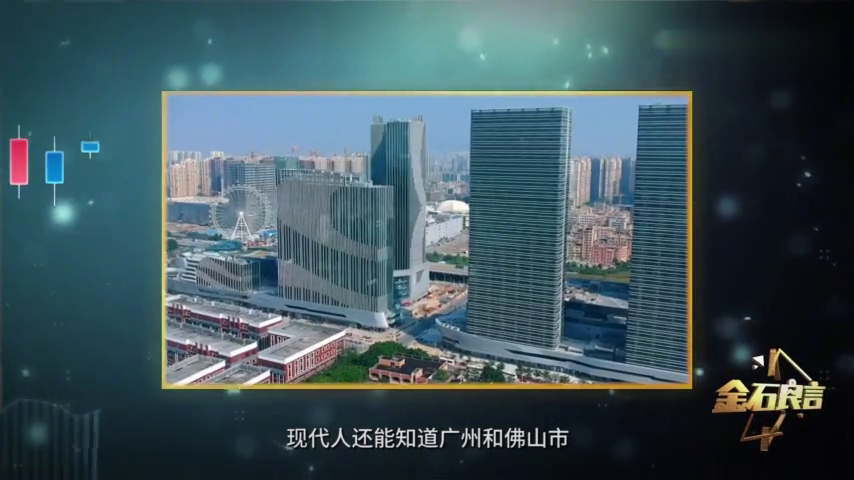
An analysis of why most cities may eventually shrink, and which three types of cities are positioned for fast growth.

Economist Chen Ping discusses the realities of the Chinese economy and what they mean for businesses.

Why intense competition follows prosperity — and what it means for traditional industries.

Change in China comes fast, but the underlying patterns matter more than the surface results. Here are the business trends worth paying attention to.1. E-commerce is reshaping the city map. As traditional trade declines and cross-border e-commerce rises, the balance among China’s major cities is shifting toward technology and e-commerce hubs.2. The era of simply "selling your labour" is ending. Employment used to mean pricing your time; going forward, value comes from solving problems and creating outcomes for others.3. Traditional "deal-making" business is fading. The internet connects supply and demand precisely, so intermediaries that profit from information gaps are disappearing.4. Organisations are flattening. Many companies will give way to vertical platforms, and a large number of freelancers will emerge — society is moving from "company + employee" to "platform + individual".5. Business models are being rebuilt. Whoever captures the user captures the market; data and traffic become the new assets.The direction is clear: businesses that create genuine value for users will be the ones that last.
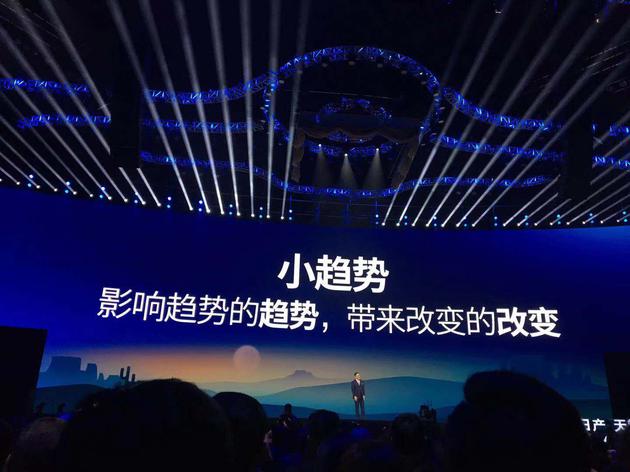
5G, artificial intelligence, smart cities, smart homes, autonomous driving, unmanned stores — these words are everywhere now. People naturally ask: how far will AI go, and will it take our jobs?Here is a look at the types of work most and least likely to be replaced.Easiest to replace: structured, low-skill work. Patterned tasks that anyone can learn by repetition — assembly lines, typing, cleaning — are the first to go, because machines already beat humans on efficiency and quality.Also at risk: optimisation work. Any job that mainly maximises quantifiable variables, such as credit scoring from a checklist, is exactly what AI does best.Hardest to replace: work that requires creativity, emotional intelligence, complex negotiation and cross-disciplinary judgement. These roles rely on human judgement that machines cannot yet replicate.The takeaway for professionals: build skills that complement AI rather than compete with it.

2020 brought a storm of reshuffling for Chinese companies — a look at what drove it and what survived.

The internet changed how customers find information and choose service providers. Businesses no longer just need products and services — they need to let customers quickly understand their value through the website, case studies, content and online communication.For businesses, digitalisation is not a one-off build but ongoing operations: continuously improving site content, system efficiency and customer service is what sustains steady growth.
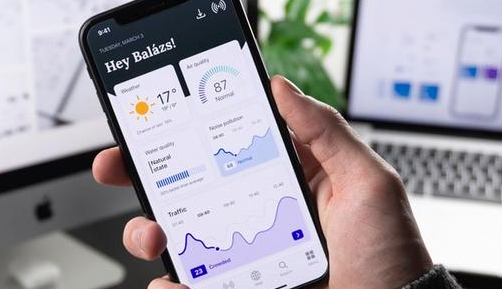
Apps, mini-programs and H5 pages are not inherently better or worse — it depends on the business scenario. Apps suit frequent use and deep functionality; mini-programs suit fast reach within the WeChat ecosystem; H5 suits campaign promotion and cross-platform sharing.When choosing a mobile product format, weigh the user source, feature complexity, budget and timeline, operations model and future iteration. Juxuan Technology recommends the option that fits the actual business goal.
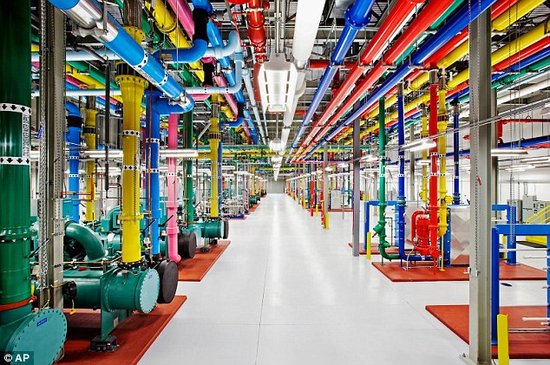
Before a website goes live, the essentials need to be confirmed: domain resolution, server environment, ICP filing status, SSL certificate, mobile adaptation, admin permissions, data backup and basic security policy. Missing any one of these can affect stability and make future maintenance harder.At project delivery, Juxuan Technology helps clients complete launch checks and basic operations configuration, so the site doesn't just open — it runs stably, securely and continuously.

SEO is not about stuffing backlinks or chasing short-term rankings. A stable site structure, clear category planning, continuously updated original content and good page speed are what actually work in the long run.After launch, keep publishing content around the questions your customers actually ask — product capabilities, service process, case experience, common questions and industry knowledge. This improves search indexing and builds customer trust at the same time.

A professional corporate website is more than a page that exists — it is the main place where customers judge your capability, products, services and way of working. Clear structure, credible content and a stable, fast experience all shape that first impression.When building a corporate site, the priorities are brand expression, information architecture, mobile experience, SEO foundations, lead-capture forms and long-term maintenance. Juxuan Technology plans corporate websites tailored to how each business actually wins customers.
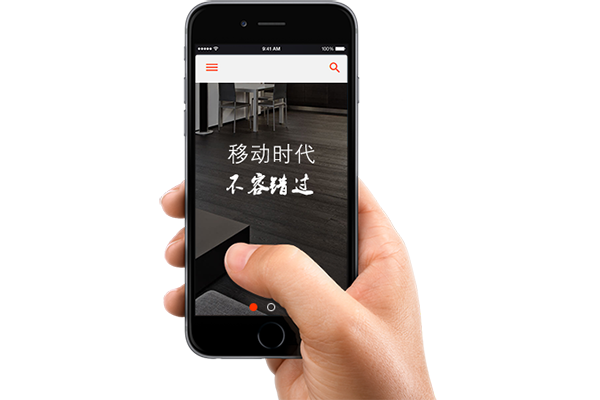
Missed the rapid growth of traditional industries? Missed the peak of the PC internet era? Don't miss mobile.For a corporate website, there are two practical ways to serve mobile users well:1. Responsive design. A responsive site adapts automatically to phones, tablets and desktops, loading the right layout for each screen size from a single codebase — keeping content and SEO consistent across all devices.2. A dedicated mobile site. Alternatively, a separate mobile version can be built alongside the desktop site, with its own lightweight layout and navigation optimised for touch.Juxuan Technology plans and builds both approaches, helping businesses reach mobile customers without fragmenting their brand or content.
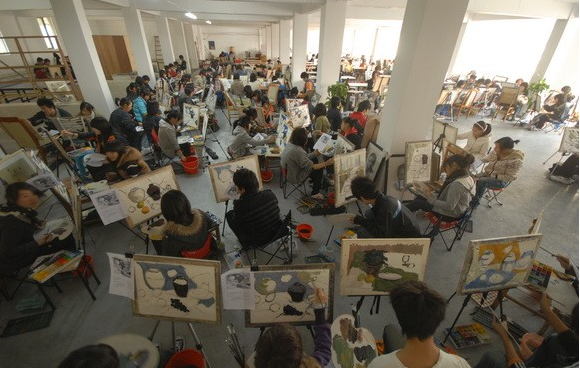
We recently delivered an e-commerce project for an art-exam preparation business, which has gone into small-scale trial launch with everything running smoothly.Background. The client had spent years selling art books and art-exam products entirely offline, relying mainly on ground promotion — visiting high-school art teachers and training-centre managers to pitch their products. As e-commerce grew, they felt mounting pressure and needed an online store to open up new business.Strengths. Years of offline experience, a strong network of teachers and training institutions, and a parent company in publishing that gives a pricing edge on books.Weaknesses. Limited internet-operations and e-commerce experience — a common gap for businesses moving from traditional channels into e-commerce.Architecture. PHP + MySQL on a Linux server, with responsive layouts and pure-static HTML generation for fast, stable access.
告诉我们您的目标,获取专业建议与实施方案。